- by Mohit Mangal
Solar energy is becoming a practical choice for homeowners, businesses, and industrial properties looking for a reliable way to generate electricity from renewable resources. Rooftop solar systems make it possible to use unused roof space for power generation, but successful installation starts with proper roof preparation. Before panels are installed, the roof should be inspected for its condition, strength, available space, sunlight exposure, and possible installation challenges.
Choosing a professional installer is also an important part of the process. Property owners searching for the best solar company in Jaipur should look beyond pricing and consider installation experience, equipment quality, technical support, warranty coverage, and after-sales service. A proper assessment before installation can help identify problems early and create a suitable plan for the property.
Why Roof Preparation Is Important
Solar panels are designed to remain on a property for many years. Because of this, the condition of the roof should be considered before the installation begins. Installing panels over an ageing or damaged roof can create difficulties if major repairs become necessary later.
Roof preparation involves more than simply cleaning the surface. It can include checking the structural condition, identifying leakage, evaluating waterproofing, measuring usable space, and determining where panels can receive sufficient sunlight. These factors can influence the final design of the solar system.
Addressing roof problems before installation can also reduce the possibility of disturbing the panels or mounting structure in the future.
Inspect the Age and Condition of the Roof
The age and condition of the roof are among the first things that should be evaluated. An older roof is not automatically unsuitable for solar panels, but its remaining service life should be considered.
Look for visible cracks, broken tiles, rusted sections, damaged roofing materials, water stains, leakage, or areas showing signs of deterioration. Any major issue should be investigated before the solar project moves forward.
If the roof is likely to require replacement soon, completing that work before installing solar equipment may be more practical. This approach can avoid the additional effort and expense of removing panels later.
Evaluate the Roof Structure
Solar panels and their mounting equipment add some additional weight to a roof. Therefore, the structure should be suitable for the proposed installation.
The required assessment can vary depending on whether the property has a concrete, metal, tiled, or another type of roof. Building age, construction quality, panel arrangement, and mounting method can also influence structural requirements.
A qualified installer can evaluate the roof and determine whether additional structural work or a particular mounting solution is necessary.
Measure the Available Roof Space
The amount of usable roof space directly affects the size and layout of the solar system. Not every section of a roof can necessarily be used for panels.
Water tanks, staircases, ventilation equipment, parapet walls, skylights, satellite dishes, and other permanent structures may occupy valuable space. These obstacles need to be considered when designing the panel arrangement.
The layout should also leave appropriate access for inspection and maintenance. A well-designed system makes efficient use of the available roof without creating unnecessary obstacles.
Check Sunlight Exposure
Solar panels need adequate sunlight to generate electricity. Before installation, the roof should be checked for areas that receive shade during different parts of the day.
Trees, nearby buildings, walls, water tanks, and other structures can cast shadows across the roof. Depending on the system design, shading can reduce the amount of electricity generated.
A professional site assessment can help identify suitable areas and determine the most practical panel placement. The installer may also consider seasonal changes in sunlight and shading while preparing the design.
Consider Roof Direction and Tilt
Roof direction and slope can influence solar energy generation. The appropriate panel orientation depends on the geographical location of the property, roof design, available sunlight, and overall system configuration.
In some situations, the existing roof angle may be suitable for panel installation. In other cases, an appropriate mounting structure may be used to achieve a more suitable position, provided the roof structure can support it.
The goal is to create a layout that makes effective use of available sunlight while maintaining structural stability and safe access.
Check Waterproofing Before Installation
Waterproofing should be inspected before solar equipment is installed. Existing leakage, damaged waterproofing, or drainage problems should be addressed beforehand.
The mounting method should also be selected according to the roof type and waterproofing requirements. Proper installation practices can help minimise the risk of water-related problems.
If the roof has recently undergone waterproofing work, the installer should be informed about the materials and methods used. This information can help the installation team choose an appropriate approach.
Remove Unnecessary Obstacles
The roof should be reasonably clear before installation work begins. Unnecessary debris, unused equipment, temporary structures, and movable objects can interfere with the installation process.
Permanent equipment should not be moved without proper planning. Water tanks, vents, drainage systems, electrical equipment, and other essential installations need to remain accessible and functional.
Keeping the work area organised can help installers complete their work more efficiently while maintaining access to important rooftop equipment.
Plan the Inverter and Electrical Equipment
A rooftop solar system consists of more than panels. Depending on the system design, it may include an inverter, cables, mounting equipment, electrical protection devices, and other components.
The location of the inverter should be planned carefully. It should be positioned where it can be accessed for maintenance and protected from unnecessary environmental exposure.
Cable routes should also be planned before installation. Proper cable management can improve the appearance of the installation and reduce the possibility of physical damage.
Choose the Right Installation Company
Selecting an experienced solar installation company is an important decision. A reliable installer should be able to assess the roof, understand the property’s electricity requirements, recommend suitable equipment, and provide a practical installation plan.
When comparing the best solar company in Jaipur, property owners should consider the company’s experience, product options, installation standards, warranty support, technical expertise, and after-sales service. A low quotation alone does not necessarily indicate the most suitable choice.
Customers should also ask questions about system design, expected generation, maintenance, warranty conditions, and the installation process before finalising the project.
Prepare the Roof Before Installation Day
Once the system design has been approved, the roof should be prepared for the installation team. Any required repairs, waterproofing work, cleaning, or structural improvements should ideally be completed before the panels arrive.
The installation area should be accessible, and unnecessary items should be moved away from the working zone. Property owners should also inform the installer about any existing roof concerns, electrical equipment, or previous repair work.
For customers considering solar panel installation in Jaipur, an early site assessment can make it easier to identify roof-related requirements and avoid unexpected delays.
Why Professional Installation Matters
A solar system is a long-term investment, so installation quality should receive the same attention as equipment selection. Incorrect mounting, poor cable management, unsuitable panel placement, or inadequate structural assessment can affect system performance and safety.
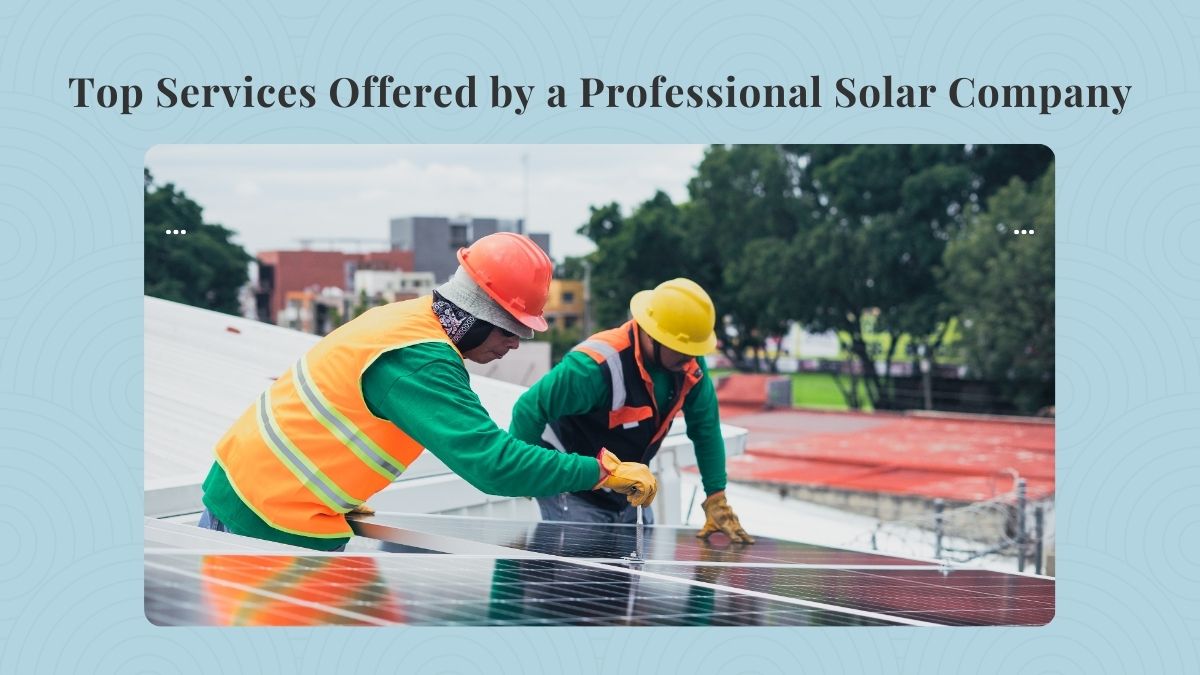
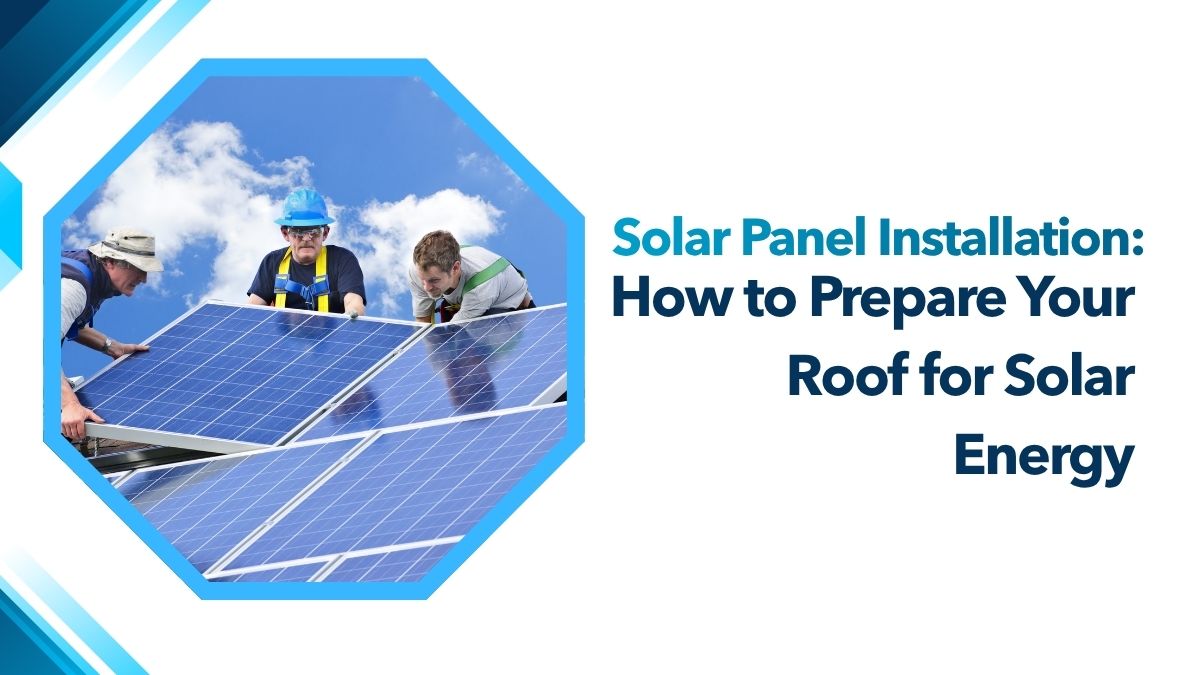
Professional solar panel installation generally includes site assessment, system design, mounting, electrical connections, safety checks, testing, and commissioning. Each stage should be completed according to the requirements of the property and selected equipment.
A professionally planned installation can also make future inspection and maintenance easier.
Maintenance Considerations After Installation
Roof preparation does not eliminate the need for future maintenance. Solar panels should be kept reasonably clean so dust and other deposits do not unnecessarily affect performance.
The system should also be inspected periodically for visible damage, loose components, cable issues, or other concerns. The exact maintenance requirements depend on the system and installation environment.
Keeping access to important equipment in mind during the initial design can make future maintenance more convenient.
Final Thoughts
Preparing a roof before installing solar panels is an important part of creating a dependable rooftop energy system. Property owners should evaluate roof condition, structural strength, usable space, sunlight exposure, shading, direction, waterproofing, and accessibility before installation begins.
For anyone planning solar panel installation, professional assessment can help determine whether the roof is ready and what preparation may be required. Careful planning also helps installers develop a practical layout based on the property’s actual conditions.
A suitable roof, quality equipment, and experienced installation team can provide a strong foundation for long-term solar energy generation. Taking time to prepare the roof properly before work begins can help reduce avoidable complications and support reliable operation of the solar system.
Frequently Asked Questions
1. Can solar panels be installed on an old roof?
Yes. An older roof can be suitable if it is structurally sound and in good condition. However, significant damage, leakage, or a roof approaching the end of its service life should be addressed before installation.
2. What should I check before installing solar panels?
You should check the roof’s age, structural condition, waterproofing, available space, sunlight exposure, shading, orientation, and accessibility. Electrical requirements should also be assessed.
3. Does roof direction affect solar panel performance?
Yes. Roof direction and tilt can influence how much sunlight the panels receive. A professional assessment can help determine the most suitable panel arrangement.
4. Should roof repairs be completed before solar installation?
If the roof has major damage, leakage, or waterproofing problems, repairs should generally be completed before installing the solar system. This can help avoid disturbing the panels later.
5. How much roof space is required for solar panels?
The required space depends on system capacity, panel dimensions, panel efficiency, roof layout, and other rooftop structures. A site assessment can determine the usable area.
6. Does shade affect solar panel performance?
Yes. Shadows from trees, buildings, walls, tanks, and other structures can reduce solar generation. Shading should therefore be considered while planning panel placement.